

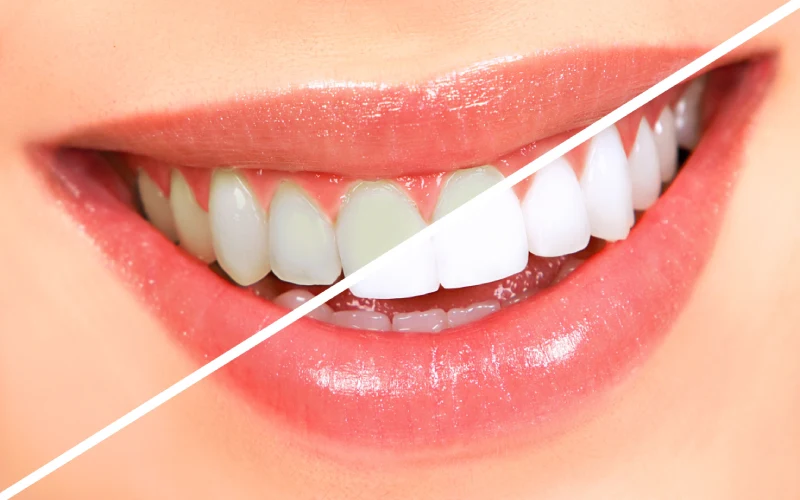

A bright smile is one of the most consistently noticed aspects of a person’s appearance, and it is one of the few things that genuinely influences how confident you feel in your own face. Whether you have been watching the shade of your teeth gradually shift over years of coffee and red wine, or you have a specific occasion approaching and want to look your best, teeth whitening is one of the most accessible and effective improvements cosmetic dentistry offers.
The challenge is navigating the options. In-office treatments, custom take-home trays, over-the-counter strips, whitening toothpastes, light devices, and natural remedies all occupy the same category in the public imagination, but they are not remotely equivalent in what they can achieve, how safely they achieve it, or which type of staining they actually address.
At Confidental Beverly Hills, Dr. Liyan Massaband approaches teeth whitening the same way he approaches every cosmetic procedure: with a proper assessment of what each patient’s teeth actually need, not a one-size-fits-all recommendation. This guide gives you the clinical detail to understand your options clearly before that conversation.
Book a Teeth Whitening Consultation | Call (310) 858-9212
Why Teeth Stain: Understanding the Two Types of Discoloration
Before choosing a whitening approach, it is worth understanding that not all tooth discoloration is the same, because the type of staining determines which whitening method can address it effectively.
Extrinsic Staining
Extrinsic stains sit on the outer surface of the enamel or within the pellicle, a thin protein film that coats teeth and readily absorbs pigment. These are the stains caused by chromogens, which are intensely pigmented molecules present in the foods, drinks, and habits most commonly associated with teeth discoloration.
The primary contributors to extrinsic staining include coffee and black tea, which are the leading causes for most adults. Red wine, dark berries, tomato-based sauces, soy sauce, balsamic vinegar, and turmeric all deposit significant pigment. Tobacco use, whether smoked or chewed, produces some of the most persistent and deeply penetrating extrinsic staining of any lifestyle factor.
Extrinsic stains respond well to professional whitening because the bleaching agents used in professional treatments can penetrate the enamel surface and break down the chromogen molecules responsible for the discoloration.
Intrinsic Staining
Intrinsic stains are located within the dentin, the inner layer of the tooth beneath the enamel. They form during tooth development or as a result of specific events after the teeth have erupted.
Common causes include tetracycline antibiotic use during childhood tooth development, which produces characteristic gray or brown banding within the dentin. Fluorosis from excessive fluoride exposure during development creates white spots or brownish mottling. Trauma to a tooth, particularly in childhood, can cause internal bleeding and subsequent dentin staining. Certain medications and systemic conditions also produce intrinsic discoloration.
Intrinsic staining is significantly more difficult to treat with whitening alone. Peroxide-based whitening can improve the appearance of mild intrinsic staining, but moderate to severe intrinsic discoloration typically requires porcelain veneers or dental crowns to achieve the aesthetic result the patient is seeking. Understanding this distinction before committing to whitening prevents disappointment when a deeply stained tooth fails to respond to treatment as expected.
Why Teeth Look More Yellow With Age
Beyond specific staining causes, natural aging produces progressive yellowing that most adults notice from their mid-thirties onward. As enamel thins from decades of normal wear, the yellowish dentin beneath becomes proportionally more visible through the remaining enamel. This is intrinsic in origin, meaning it occurs within the tooth structure itself, but it does tend to respond reasonably well to whitening because the dentin layer itself is lightened by peroxide treatment.
How Teeth Whitening Actually Works
Understanding the chemistry removes a significant amount of mystery and helps patients set realistic expectations.
Professional teeth whitening uses peroxide-based bleaching agents, specifically hydrogen peroxide or carbamide peroxide (which breaks down into hydrogen peroxide when it contacts oral tissues). These molecules are small enough to diffuse through the enamel and into the dentin, where they undergo oxidation reactions that break down the chromogen molecules responsible for staining into smaller, less pigmented fragments.
The key variables in whitening effectiveness are the concentration of the peroxide, the duration of contact with the tooth surface, and the temperature at which the reaction occurs (which is why light and heat activation can accelerate results in some protocols).
Higher peroxide concentration produces faster results but also increases the likelihood of temporary sensitivity. Lower concentration over a longer period can achieve comparable results with less sensitivity. This is the fundamental trade-off that explains the different approaches described below.
It is important to note that whitening affects only natural tooth structure. Porcelain veneers, ceramic crowns, composite bonding, and tooth-colored fillings do not respond to bleaching. If you have existing restorations in visible areas, your dentist will discuss how whitening relates to those specific teeth before recommending a treatment approach.
Option 1: In-Office Professional Teeth Whitening
In-office whitening is performed at the dental practice under direct professional supervision. It uses the highest concentrations of bleaching agent available, produces the fastest results of any whitening approach, and delivers those results in a single appointment. For patients who want a significant improvement in one visit, in-office whitening is the most direct path to that outcome.
The In-Office Whitening Procedure
The appointment begins with a clinical examination to confirm the teeth are free of decay and that gum tissue is healthy. Active decay or significant gum inflammation need to be addressed before whitening, because the peroxide used in whitening will penetrate damaged enamel or inflamed tissue in ways that cause significant discomfort and potentially harm.
A shade guide assessment is performed before treatment to document the starting shade and establish a baseline for measuring improvement. This before-and-after documentation is genuinely useful for patient satisfaction and for calibrating treatment expectations.
Gum tissue is protected throughout the procedure using a combination of physical barriers and a light-cured resin that coats and seals the gum margin. This protection is essential because the high-concentration peroxide used in in-office whitening causes chemical burns to unprotected soft tissue.
The whitening gel is applied to the tooth surfaces in carefully controlled amounts. Depending on the specific protocol used, the gel may be activated by an LED light, a plasma arc lamp, or a laser, or it may work through the peroxide chemistry alone without light activation. Multiple application cycles of 15 to 20 minutes each are performed within the appointment, with fresh gel applied at each cycle.
At the end of the appointment, the protective barriers are removed, the teeth are rinsed, and a final shade assessment documents the outcome. Most patients achieve improvement of three to eight shades in a single appointment.
Zoom Whitening
Zoom is one of the most recognized in-office whitening systems globally. It uses a 25 to 38 percent hydrogen peroxide gel activated by a specific LED light in the blue spectrum. The light accelerates the oxidation reaction, allowing meaningful whitening within a 45 to 60-minute appointment. Zoom includes a built-in anti-sensitivity formula in the gel and a post-treatment fluoride treatment that reduces post-procedure sensitivity compared to some earlier whitening systems.
Laser-Assisted Whitening
Some whitening protocols use laser energy rather than LED light for activation. The laser delivers concentrated energy to the gel surface, accelerating the whitening reaction with precise control. Laser-assisted whitening can achieve excellent results and is particularly well-suited for patients seeking maximum whitening in minimum time.
What to Expect After In-Office Whitening
The 48 hours following in-office whitening are the most important for maintaining results, because the enamel is temporarily more porous immediately after treatment and absorbs pigment more readily than usual. Avoiding dark-colored foods, beverages, and tobacco during this window is strongly recommended.
Some patients experience temporary tooth sensitivity and gum soreness in the 24 to 48 hours following in-office whitening. This resolves on its own in most cases. Using a sensitivity toothpaste during this period helps. For more detail on what recovery from dental procedures looks like, our guide on what to expect after a restorative dental procedure covers this comprehensively.
In-office whitening results at Confidental Beverly Hills typically last one to three years depending on lifestyle habits before a touch-up is needed.
Option 2: Custom Take-Home Whitening Trays From Your Dentist
Professional take-home whitening is the most widely recommended approach by cosmetic dentists for good reason. It combines clinical-grade whitening gel with custom fabrication that ensures even contact, predictable results, and a lower sensitivity profile than in-office treatment while still achieving meaningfully better outcomes than anything available over the counter.
How Custom Tray Whitening Works
Impressions or digital scans of your teeth are taken at the dental office and used to fabricate trays that fit the exact contours of your teeth. This custom fit is the critical difference between professional take-home trays and the boil-and-bite trays sometimes included in OTC kits.
A properly fitting custom tray holds the whitening gel in close, even contact with every tooth surface, including the cervical margins near the gumline, which are the areas most prone to uneven whitening when ill-fitting trays allow gel to move around or pool unevenly. The seal of a custom tray also prevents gel from flowing onto gum tissue, reducing soft tissue irritation.
The whitening gel dispensed for professional take-home use typically contains 10 to 22 percent carbamide peroxide, which is equivalent to approximately 3 to 7 percent hydrogen peroxide in active concentration. This range produces effective whitening with a gentler rate of enamel interaction than in-office concentrations.
Trays are typically worn for 30 minutes to two hours daily, or in some protocols overnight, for a course of 10 to 14 days. The gradual approach achieves results comparable to in-office whitening for most patients with a lower incidence of sensitivity, which makes it the preferred approach for patients who have experienced sensitivity with whitening in the past.
KOR Whitening
KOR is a professional whitening system that has gained recognition for its effectiveness on particularly stubborn staining, including tetracycline-related discoloration that other systems struggle to address meaningfully. The KOR system combines in-office treatment with a customized take-home tray protocol and uses specially refrigerated whitening gels that maintain higher active concentration than gels stored at room temperature. For patients with challenging intrinsic staining who want to pursue whitening before considering veneers, KOR is worth discussing specifically.
Using Take-Home Trays for Touch-Up Maintenance
One of the most practical advantages of professional take-home trays is their utility for long-term maintenance. After completing an initial whitening course, the custom trays can be used periodically with small amounts of additional gel to maintain results. Most patients find that a brief touch-up treatment every four to six months keeps their smile at the brightness they achieved initially. This maintenance approach is significantly more cost-effective than repeating a full in-office treatment annually.
Option 3: Over-the-Counter Whitening Products
Over-the-counter whitening products are widely available, heavily marketed, and considerably less expensive than professional options. Understanding what they can and cannot do helps you make a realistic decision about whether they are appropriate for your situation.
Whitening Strips
Whitening strips such as Crest 3D Whitestrips are the most clinically effective OTC whitening option. They use 6 to 10 percent hydrogen peroxide on a thin flexible strip that adheres to the tooth surface. They can produce noticeable improvement for mild to moderate extrinsic staining when used consistently over the recommended course of 14 to 21 days.
The limitations of strips compared to professional options are consistency of contact and coverage. Strips cover the front surfaces of teeth reasonably well but do not conform precisely to each tooth’s individual contour. They typically do not reach the gumline evenly, leaving the cervical portion of teeth lighter than the upper portions in some cases. They also do not extend to the sides of back teeth or to the spaces between teeth.
For maintaining professional whitening results between dental visits, strips can be useful. For achieving a significant change from a notably discolored starting point, they are unlikely to produce the outcome most patients are expecting.
OTC Whitening Trays and Pens
Pre-filled OTC whitening trays use lower-concentration gel in a tray that is not custom-fitted to your teeth. The gel migrates away from tooth surfaces and onto gum tissue more readily than with custom trays, which limits the effective contact time and increases the likelihood of gum irritation. Whitening pens apply a thin layer of gel to tooth surfaces with a brush applicator. They are convenient for touch-up maintenance but do not provide the sustained contact needed for meaningful baseline whitening.
Whitening Toothpaste
Whitening toothpaste operates on a different mechanism than peroxide-based bleaching. Most whitening toothpastes contain mild abrasives that physically polish surface stains, with some formulations also including low concentrations of hydrogen peroxide or blue covarine, an optical agent that deposits on teeth and creates a visual brightening effect through light reflection.
Whitening toothpastes are useful for managing day-to-day surface stain accumulation and for maintaining results between professional whitening treatments. They cannot achieve meaningful shade changes on their own and should not be evaluated against professional whitening as a whitening method.
A critical note about whitening toothpastes: many popular formulations contain abrasives with high Relative Dentin Abrasivity (RDA) values that are too aggressive for daily use, particularly for patients with thin enamel, exposed dentin, or cosmetic restorations. For patients with porcelain veneers or dental crowns, a low-abrasive fluoride toothpaste is almost always the better choice for daily use. See our guide on maintaining cosmetic dental results for product guidance specific to patients with restorations.
Option 4: Natural Whitening Remedies
Patients frequently ask about natural whitening approaches, and they deserve an honest assessment rather than either endorsement or dismissal.
Oil Pulling
Oil pulling involves swishing a tablespoon of coconut, sesame, or sunflower oil around the mouth for 10 to 20 minutes before spitting it out. The practice has historical roots in Ayurvedic medicine and its proponents claim benefits for gum health and tooth whitening. The evidence for whitening specifically is limited. Oil pulling may have modest antibacterial effects and could theoretically help prevent new surface staining accumulation, but it does not contain any compounds that bleach tooth structure. It is best viewed as a supplementary oral health habit, not a whitening treatment.
Activated Charcoal
Activated charcoal products including toothpastes and powders have been heavily marketed as natural whitening solutions. The mechanism proposed is adsorption, meaning the charcoal binds to surface pigments and physically removes them. The evidence is mixed, and there is genuine concern among dental professionals about abrasivity. Activated charcoal particles can scratch enamel and composite resin surfaces with repeated use, which ultimately creates a duller surface that attracts and retains more stain over time. Occasional use is unlikely to cause significant harm, but daily charcoal brushing carries a real risk of enamel abrasion over months.
Baking Soda
Baking soda (sodium bicarbonate) has legitimate, evidence-based support as a mild abrasive that effectively removes surface stains without the enamel damage risk of more aggressive abrasives. Many professionally formulated toothpastes include baking soda specifically for this reason. Used moderately as part of a toothpaste formula, it supports surface stain removal. Used excessively in high concentrations or as a straight powder, it can be too abrasive for daily use.
Strawberries and Acidic Fruit
A popular home remedy involves rubbing strawberry paste or lemon juice on teeth, based on the idea that malic acid or citric acid whitens enamel. In reality, these acids temporarily dissolve mineral from the enamel surface, which can make teeth appear slightly brighter momentarily, but the erosive effect on enamel outweighs any benefit. Repeated application of acidic substances to enamel is a reliable pathway to enamel erosion and increased sensitivity, the opposite of what most people seeking whiter teeth are hoping for.
The honest summary of natural remedies is that some have minor legitimate supporting evidence and some are actively harmful. None approach the effectiveness of professional whitening for patients seeking meaningful improvement.
Teeth Whitening Safety: Addressing the Most Common Concerns
Professional teeth whitening has an excellent safety record when performed or prescribed by a qualified dental professional. The concerns patients most commonly raise deserve clear, direct responses.
Does Whitening Damage Enamel?
Professional teeth whitening, when used according to evidence-based protocols and with appropriate intervals between treatments, does not permanently damage enamel. Research on this question is extensive, and the consensus in the dental literature is that enamel structure is not meaningfully altered by properly administered peroxide bleaching.
What whitening does cause is a temporary increase in tooth porosity and decrease in surface hardness immediately after treatment. These changes fully reverse within 24 to 48 hours as the enamel rehydrates and remineralizes. Using a fluoride toothpaste and avoiding acidic foods during this recovery window supports this process.
Over-whitening, meaning bleaching too frequently or with concentrations too high for the enamel’s condition, can cause cumulative effects. This is the reason that professional supervision and appropriate intervals between treatment courses are important. For a complete discussion of whitening safety, see our guide on how safe is cosmetic dentistry.
What About Tooth Sensitivity?
Sensitivity is the most common side effect of teeth whitening and affects a meaningful percentage of patients to varying degrees. It typically manifests as brief, sharp sensitivity to cold air or cold drinks during and immediately after treatment, and resolves within 24 to 72 hours for most patients.
Several factors increase sensitivity risk: naturally thin or already-worn enamel, exposed dentin at the gumline from gum recession, existing sensitivity prior to treatment, and higher peroxide concentrations. Knowing these risk factors allows them to be addressed in treatment planning.
Approaches to managing whitening sensitivity include using a potassium nitrate-based sensitivity toothpaste for two weeks before treatment, using lower-concentration gel over a longer course, taking over-the-counter anti-inflammatory medication before and after appointments, and applying a post-whitening fluoride treatment. For patients who have previously experienced significant whitening sensitivity, the take-home tray approach with lower-concentration carbamide peroxide gel tends to produce much more comfortable results than in-office treatment.
Does Whitening Work on Crowns, Veneers, or Bonding?
No. Peroxide-based whitening affects only natural tooth structure. Ceramic crowns, porcelain veneers, and composite bonding do not change shade in response to bleaching agents. This matters clinically in two ways.
First, if you have existing visible restorations such as a veneer or crown on a front tooth, whitening the surrounding natural teeth may produce a mismatch where the natural teeth become lighter than the restoration. This is a discussion to have with Dr. Massaband before beginning any whitening treatment.
Second, if you are planning to get veneers or crowns after whitening, the sequence matters. Whitening should be completed at least two to four weeks before new restorations are fabricated, because freshly whitened enamel has altered bonding characteristics that affect adhesive procedures. Allowing the enamel to stabilize produces better bond strength and ensures the final restoration shade is matched to the stable post-whitening tooth color.
Choosing the Right Whitening Option: A Practical Decision Framework
With all the options laid out, the decision about which approach is right for you depends on a few key variables.
What is your starting situation?
Mild surface staining from food and drink with generally good baseline shade: OTC strips or professional take-home trays are both viable starting points. Professional trays will produce more even, complete results.
Moderate to significant extrinsic staining from coffee, tea, wine, or tobacco: In-office whitening or professional take-home trays are the appropriate choices. OTC products are unlikely to produce the result you are expecting.
Significant intrinsic staining from tetracycline, fluorosis, or trauma: KOR whitening is worth a consultation. For severe intrinsic staining, porcelain veneers may be the more realistic path to the aesthetic outcome you are seeking. This is worth discussing honestly at your consultation rather than spending money on whitening first.
Existing visible restorations in the smile zone: A consultation is essential before any whitening to map out the interaction between whitening the natural teeth and the shade of existing restorations.
How quickly do you need results?
Specific occasion within days: In-office whitening is the only option that delivers meaningful results in a single appointment.
Gradual improvement over two to four weeks is acceptable: Professional take-home trays produce excellent results on this timeline with a lower sensitivity profile.
Ongoing maintenance between professional treatments: Touch-up trays with professionally dispensed gel, or whitening strips as needed, are practical options.
What is your sensitivity history?
Previous sensitivity with whitening: Lower-concentration carbamide peroxide in custom take-home trays, with pre-treatment sensitivity toothpaste protocol, is the most appropriate approach.
No significant sensitivity history: All professional options are appropriate starting points, with choice guided by timeline and budget.
How Much Does Teeth Whitening Cost in Beverly Hills?
Whitening costs in Beverly Hills reflect the materials, supervision, and customization involved. Here is a realistic overview.
| Whitening Option | Typical Cost Range in Beverly Hills |
|---|---|
| In-office whitening (Zoom or equivalent) | $500 to $1,200 |
| Professional custom take-home trays with gel | $300 to $600 |
| Combined in-office and take-home package | $700 to $1,500 |
| Touch-up gel refills (professional) | $50 to $150 per syringe |
| OTC whitening strips (Crest 3D Whitestrips) | $30 to $80 per box |
| OTC LED whitening kit | $50 to $150 |
Dental insurance does not typically cover teeth whitening as it is classified as a cosmetic procedure. However, whitening is one of the most cost-effective cosmetic dental investments available relative to the impact it produces.
Teeth Whitening vs. Veneers: Which Is the Right Choice?
Patients sometimes ask whether they should whiten their teeth or get porcelain veneers, framing it as an either-or decision. In most cases it is not either-or, but understanding the distinction is important.
Teeth whitening is appropriate when the primary concern is tooth color and the underlying shape, size, and structure of the teeth are satisfactory. It is non-invasive, reversible, and produces excellent results for extrinsic and mild intrinsic staining.
Porcelain veneers are appropriate when color is combined with shape concerns (chips, minor misalignment, size irregularities) or when staining is intrinsic and severe enough that whitening cannot achieve the target shade. Veneers address multiple cosmetic concerns simultaneously and produce results that do not fade over time in the way that whitening does.
For patients considering a smile makeover, whitening is frequently part of the treatment plan, performed before veneers or other restorations are placed to achieve the target shade in the natural teeth that will inform the fabrication of the new restorations.
Who Is Not an Ideal Candidate for Teeth Whitening?
Teeth whitening is very broadly safe and appropriate, but certain situations require evaluation before proceeding.
Patients with untreated tooth decay or active gum disease should address those conditions before whitening. Peroxide contacting a decayed tooth or inflamed gum tissue causes significant discomfort and can harm the tissue.
Patients who are pregnant or nursing: Elective cosmetic procedures including whitening are deferred during pregnancy as a precaution.
Patients with severe intrinsic staining: Whitening may not achieve a satisfying result and alternative options including veneers deserve discussion before investing in whitening.
Children under 16: The enamel of developing teeth is not fully mineralized, making it more sensitive to peroxide. Whitening for younger patients requires specific evaluation.
Patients with existing restorations in prominent visible positions: The interaction between whitening and restoration shade requires careful planning.
Maintaining Your Whitening Results Long-Term
The longevity of whitening results depends almost entirely on lifestyle habits and maintenance consistency. Patients who whiten and then return to high-staining dietary habits without any maintenance see results fade relatively quickly. Patients who make modest adjustments and use periodic touch-up treatments maintain results for years.
Practical maintenance habits that make a real difference include rinsing with water immediately after consuming dark-colored beverages, using a straw when drinking coffee or wine to reduce direct tooth contact, attending professional cleanings every six months (which remove surface staining accumulation), and using touch-up tray gel for one or two nights every four to six months.
For a complete aftercare guide including product recommendations for patients with restorations, read our detailed resource: How to Maintain Results After Cosmetic Dental Treatment.
Why Beverly Hills Patients Choose Confidental Beverly Hills for Teeth Whitening
At Confidental Beverly Hills, teeth whitening begins with a proper clinical assessment rather than an immediate treatment recommendation. The assessment identifies whether your staining is primarily extrinsic or intrinsic, whether any existing restorations will affect the whitening plan, whether your enamel and gum health are appropriate for the intended protocol, and what realistic shade improvement is achievable given your starting point.
This upfront honesty prevents the frustration of patients who have spent money on whitening only to discover that their specific type of staining was never going to respond to it. It also ensures that the whitening protocol recommended is calibrated to your enamel health rather than defaulting to the most aggressive option.
Dr. Massaband’s background in cosmetic dentistry means that whitening is integrated into your overall smile goals, not treated as an isolated service. Patients considering veneers, bonding, or a complete smile makeover receive whitening recommendations as part of a cohesive treatment sequence rather than as a separate transaction.
With a 4.8-star rating across more than 345 patient reviews, the consistency of results and patient experience at Confidental Beverly Hills reflects a practice where cosmetic excellence and clinical honesty are both delivered.
Schedule Your Whitening Consultation
Frequently Asked Questions About Teeth Whitening
What is the best teeth whitening option for sensitive teeth?
Professional custom take-home trays with lower-concentration carbamide peroxide gel (10 to 16 percent) is generally the most appropriate approach for patients with sensitivity concerns. The gradual whitening rate reduces the intensity of any sensitivity response compared to in-office high-concentration treatment. Using a potassium nitrate sensitivity toothpaste for two weeks before beginning whitening further reduces the sensitivity risk. At your Confidental Beverly Hills consultation, your sensitivity history is specifically discussed to calibrate the recommendation.
How many shades can professional teeth whitening change?
Most patients achieving professional whitening see improvement of three to eight shades on the standard shade guide, with the specific outcome depending on the starting shade, the type of staining, and the whitening protocol used. Patients with significant extrinsic staining on a naturally lighter baseline often see the most dramatic results. Patients with darker starting shades or intrinsic staining generally see more modest improvement. Shade improvement is assessed and documented at the consultation so expectations are realistic before treatment begins.
Does teeth whitening work on dental crowns or porcelain veneers?
No. Peroxide-based whitening affects only natural tooth structure. Existing dental crowns, porcelain veneers, and composite bonding do not change shade in response to whitening. If you have visible restorations, whitening the surrounding natural teeth can create a shade mismatch that requires restoration replacement to resolve. This is a critical reason to discuss your existing restorations with your dentist before beginning any whitening treatment.
How long does professional teeth whitening last?
In-office and professional take-home whitening results typically last one to three years before meaningful re-staining occurs, depending on lifestyle habits. Patients who drink significant amounts of coffee or tea daily, use tobacco, or consume other pigment-heavy foods frequently will see faster fading. Patients who use touch-up trays every four to six months and attend regular professional cleanings often maintain results for three years or longer between full whitening courses.
Is professional teeth whitening worth the cost compared to OTC strips?
For mild surface staining and maintenance purposes, OTC strips can be a cost-effective option. For meaningful shade improvement from a notably discolored baseline, achieving even coverage across all teeth including margins and back tooth surfaces, and minimizing sensitivity through a properly calibrated protocol, professional whitening consistently delivers better results with more predictable outcomes. The cost difference reflects the clinical assessment, custom fabrication, professional-grade materials, and ongoing access to touch-up gel that professional whitening includes.
Can I whiten my teeth before getting veneers or cosmetic work?
Yes, and in most cases it is the recommended sequence. Whitening before new restorations are placed allows the target shade to be determined in the stable post-whitening tooth color, and the new veneers or crowns are fabricated to match it. Whitening should be completed at least two to four weeks before final impressions are taken for new restorations, because freshly whitened enamel has temporarily altered bonding characteristics that need time to normalize. Whitening after new restorations are placed risks creating a mismatch where the natural teeth become lighter than the restorations.
How often can you whiten your teeth professionally?
Most dental professionals recommend completing a full whitening course no more frequently than every four to six months. Over-whitening with high-concentration peroxide more frequently than this does not produce progressively whiter results and may cause cumulative effects on enamel. Periodic touch-up maintenance with lower-concentration gel in custom trays can be used more frequently to sustain results without the concerns associated with repeated full-course high-concentration treatment.
Why are my teeth still yellow even though I brush regularly?
Yellowing despite good brushing habits is usually explained by one of several factors: natural dentin color showing through thinning enamel from aging, deep extrinsic staining from coffee or tea that surface brushing cannot remove, intrinsic staining that originated during tooth development, or enamel thinning from dietary acid erosion that increases dentin visibility. A consultation at Confidental Beverly Hills includes assessment of which of these applies and what whitening or cosmetic options are most appropriate for your specific situation.