


Most people who grind their teeth at night have no idea they are doing it. There is no mirror, no conscious awareness, and often no immediate pain to signal that something is happening. The first clue is usually a dull ache across the jaw or temples upon waking, a partner mentioning a grinding noise, or a dentist pointing out wear patterns on the teeth that were not there at the last checkup.
Bruxism, the clinical term for unconscious teeth grinding and clenching, affects an estimated 10 to 15 percent of adults. It is one of the most destructive forces a mouth can experience, and it operates almost entirely outside of conscious awareness. Left unaddressed, bruxism causes progressive enamel loss, fractured teeth, jaw dysfunction, chronic headaches, and can destroy expensive cosmetic dental work in a fraction of the time it should last.
A custom-fitted night guard is the most direct and effective protective measure available. At Confidental Beverly Hills, Dr. Liyan Massaband designs personalized night guards that address each patient’s specific bite pattern, grinding severity, and comfort needs, giving your teeth, jaw, and restorations the protection they deserve while you sleep.
This guide explains everything you need to know: what bruxism does, how to recognize it, what a night guard actually does, and how to get the right one.
Book a Night Guard Consultation | Call (310) 858-9212
What Is Bruxism and Why Does It Happen?
Bruxism is defined as repetitive jaw muscle activity during sleep or periods of wakefulness that involves grinding, clenching, or bracing of the teeth. Sleep bruxism is classified as a sleep-related movement disorder, which is why many patients experience it only or primarily at night without any awareness that it is occurring.
The forces generated during bruxism are genuinely striking. Normal chewing generates approximately 20 to 40 pounds of force per square inch. During sleep bruxism, the same muscles can generate upwards of 250 pounds of force per square inch in some patients. Your teeth, jaw joints, and surrounding muscles are simply not designed to sustain that kind of loading for six to eight hours night after night.
What Causes Teeth Grinding?
Bruxism does not have a single, universal cause. It is typically multifactorial, meaning several contributing factors interact. The most commonly identified contributors include:
Psychological stress and anxiety. This is the most frequently reported association. Many patients notice their grinding worsens during periods of high stress, major life changes, work pressure, or anxiety. The jaw muscles carry significant tension in stressed individuals, and this tension expresses itself physically during sleep.
Sleep disorders. Sleep bruxism has a well-documented association with obstructive sleep apnea. Patients who stop breathing briefly during sleep sometimes clench or grind as a physiological arousal response. Addressing underlying sleep apnea in these patients can meaningfully reduce bruxism episodes.
Bite misalignment. Malocclusion, meaning improper contact between upper and lower teeth, can contribute to grinding as the jaw attempts to find a more comfortable resting position. This is one reason a dentist’s bite assessment is part of evaluating bruxism.
Caffeine and alcohol consumption. Both substances have been linked to increased bruxism severity. Caffeine is a stimulant that elevates muscle activity generally. Alcohol, while sedating, disrupts sleep architecture in ways that increase the frequency of bruxism events during the lighter sleep stages.
Certain medications. Some antidepressants, particularly selective serotonin reuptake inhibitors (SSRIs), are associated with increased bruxism as a side effect. If bruxism began or worsened after starting a new medication, discuss this with both your dentist and prescribing physician.
Genetics. Bruxism tends to run in families, suggesting a genetic component to susceptibility.
How to Know If You Grind Your Teeth at Night
Because sleep bruxism happens unconsciously, most patients rely on indirect evidence to identify it. Here are the signs that consistently point to nocturnal grinding or clenching.
Morning Jaw Pain or Tightness
Waking up with a sore, stiff, or tired jaw is one of the most reliable indicators of bruxism. The muscles you use for chewing, primarily the masseter and temporalis muscles, have been working throughout the night. The fatigue and tenderness that follows is identical in character to muscle soreness after overexertion during exercise.
Many patients describe it as feeling like they have been chewing something tough all night, or that their jaw simply does not want to open fully first thing in the morning.
Morning Headaches Centered Around the Temples
The temporalis muscle runs across the temples and is heavily involved in clenching. When it is overloaded by hours of nocturnal grinding, the resulting tension manifests as headaches centered at the temples, often extending toward the ears or the base of the skull. These headaches are typically present upon waking and tend to improve as the day progresses and the muscles relax.
Many bruxism patients spend years treating these headaches as tension headaches or migraines without identifying the dental origin. If your morning headaches do not respond well to conventional headache treatments, a dental evaluation for bruxism is worth pursuing.
Tooth Wear, Flattening, or Chipping
When a dentist identifies flat, worn biting surfaces on the teeth, particularly on the back molars and the edges of the front teeth, bruxism is usually the explanation. Natural teeth have distinct cusps, ridges, and edges that are anatomically shaped for efficient chewing. These surfaces should not wear flat under normal use.
Grinding creates a characteristic wear pattern that experienced dentists recognize immediately. If your teeth look flatter or shorter than they used to, or if you notice chipping along the edges of your front teeth that has no clear trauma explanation, show your dentist.
Increased Tooth Sensitivity
Enamel is the outer protective layer of the tooth and the hardest substance the human body produces. When bruxism progressively erodes enamel through nightly abrasive contact, the sensitive dentin layer beneath becomes progressively more exposed. The result is heightened sensitivity to temperature, sweet foods, and even air that was not present before. This sensitivity can affect multiple teeth simultaneously, which is a useful distinguishing feature since sensitivity affecting one tooth usually has a localized cause.
Audible Grinding Sounds During Sleep
A bed partner mentioning that you grind your teeth is among the most direct ways bruxism is identified. The sound of tooth-on-tooth grinding during sleep can be loud enough to wake a light sleeper in the same room. Not all bruxism produces audible sounds, but when it does, it is highly diagnostic.
Cheek or Tongue Indentations
Clenching sometimes causes the cheeks or tongue to press against the teeth with enough force to leave visible scalloped indentations along the edges of the tongue or ridges along the inner cheek lining. These are soft tissue signs of clenching that are often visible during a routine dental examination.
What Does Bruxism Do to Your Teeth Over Time?
Understanding the cumulative damage helps explain why treatment is not optional for patients with significant bruxism.
Enamel lost to grinding does not regenerate. Once it is gone, the underlying dentin is permanently exposed and the tooth requires restorative treatment to rebuild what was lost. This might mean dental bonding, porcelain veneers, or dental crowns depending on the extent of the wear.
Bruxism can fracture teeth, particularly teeth that already have fillings, cracks, or existing restorations. A cusp fracture that requires a crown, or a crack that extends into the root requiring extraction and dental implant placement, is a direct consequence of unmanaged grinding forces. Read more about what happens to fractured teeth and how they are repaired at our fix a broken tooth page.
Bruxism affects more than just teeth. The temporomandibular joint (TMJ), which connects the lower jaw to the skull, is subjected to enormous and repetitive loading during grinding episodes. Over time, this contributes to TMJ disorders characterized by joint clicking, popping, pain with jaw movement, difficulty opening the mouth fully, and referred pain to the ears and neck.
For patients who have completed cosmetic dental treatment including veneers, crowns, or a full smile makeover, unmanaged bruxism is the single greatest threat to the longevity of those restorations. Porcelain veneers and crowns that should last 15 to 20 years under normal conditions can fracture within two to five years in an unmanaged grinder.
What Is a Night Guard and How Does It Work?
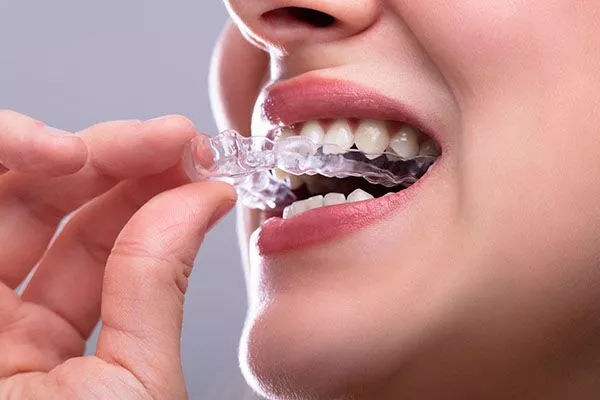
A night guard is a removable oral appliance worn over the teeth during sleep. It is typically made from rigid acrylic, soft thermoplastic, or a combination of both materials, fabricated to fit precisely over either the upper or lower dental arch.
The mechanism of protection is straightforward. Instead of upper and lower teeth grinding directly against each other, the grinding contact occurs between the tooth surface and the night guard material. This has two important effects.
First, it distributes the grinding forces across a broader surface area, dramatically reducing the concentrated pressure on individual teeth and the jaw joint. Think of the difference between pressing with a fingertip versus an open palm. Same force, dramatically different pressure per unit of area.
Second, the night guard material absorbs and dissipates some of the grinding energy, functioning as a buffer that the body’s natural tooth-on-tooth contact cannot provide.
A night guard does not eliminate the bruxism behavior itself. The muscles still contract and the jaw still moves. But it redirects the damage from irreplaceable tooth structure to a replaceable, durable appliance that costs far less than a single dental crown.
Custom Night Guard vs. Over-the-Counter: Why the Difference Matters
Walk into any pharmacy and you will find boil-and-bite night guards for under thirty dollars. It is a natural question: why spend significantly more on a custom guard from a dentist?
The answer comes down to fit, function, and clinical appropriateness, and each of these matters more than it might initially seem.
Fit and Comfort
A custom night guard is fabricated from a precise impression or digital scan of your actual teeth. Every contour, every contact point, every curve of your dental arch is accounted for. The result fits with the kind of snug, secure precision that feels like a natural part of your mouth rather than a foreign object. Most patients adapt to wearing a custom guard within a week or two.
Over-the-counter boil-and-bite guards achieve an approximate fit by softening in hot water and conforming loosely to tooth surfaces. The result is bulkier, less stable, and often uncomfortable enough that patients stop wearing it within a few nights. An appliance that sits unused on the nightstand provides zero protection.
Bite Integrity
This is the most clinically significant difference. A custom night guard is designed by a dentist who understands your specific occlusion, meaning the way your upper and lower teeth contact. The guard is fabricated and adjusted so that your bite is balanced across the appliance and your jaw can rest in its optimal position throughout the night.
An over-the-counter guard that fits poorly can actually alter the bite relationship in ways that worsen jaw muscle tension or aggravate TMJ symptoms. Patients sometimes report that OTC guards leave them feeling worse in the morning than they did without one.
Durability and Material
Custom guards are fabricated from dental-grade materials with known durability profiles. A well-constructed custom guard typically lasts three to five years or longer with proper care. OTC guards, made from lower-grade thermoplastics, degrade much faster and are not designed for the forces generated by significant grinders.
For patients with significant bruxism, an OTC guard may wear through within weeks or months. For light bruxism as a very short-term measure while awaiting a custom guard, an OTC option may bridge the gap, but it should not be a long-term solution.
Types of Custom Night Guards: Which Is Right for You?
Custom night guards are not one-size-fits-all in terms of material and design. Dr. Massaband selects the appropriate type based on your grinding severity, bite dynamics, jaw health, and comfort preferences.
Soft Night Guards
Made from flexible, pliable materials similar to athletic mouthguards. They are generally the most comfortable for first-time wearers because the soft material feels less intrusive. They work well for mild bruxism and for patients who primarily clench rather than grind.
However, soft guards have a limitation for heavy grinders: the compressible material can actually encourage more biting and clenching in some patients, similar to how chewing gum can be a clenching trigger. For significant grinders, soft guards may accelerate wear on the appliance without adequately protecting the teeth.
Hard Acrylic Night Guards
Made from rigid dental acrylic, these are the clinical standard for moderate to severe bruxism. The hard surface does not give under biting pressure, which means the jaw muscles experience resistance that discourages excessive clenching. The flat, smooth surface of a hard guard also allows the jaw to slide freely, reducing the lateral grinding forces on teeth and the jaw joint.
Hard guards require a brief adaptation period because the rigidity feels different from natural tooth contact. Most patients adapt within one to two weeks.
Dual-Laminate (Hybrid) Night Guards
Combine a soft inner layer that contacts the teeth with a hard outer surface that resists grinding. These offer the comfort advantage of a soft guard with greater durability. They suit patients with moderate grinding who found a fully hard guard uncomfortable during the adaptation period.
Night Guards and Cosmetic Dental Work: A Critical Combination
If you have invested in cosmetic dentistry including porcelain veneers, dental crowns, or a complete smile makeover, a night guard is not optional if any history of bruxism exists. It is a clinical necessity.
Porcelain veneers are highly durable under normal biting forces. They are not designed to withstand the 200-plus pounds per square inch that bruxism can generate. The fracture risk for veneers in an unprotected bruxism patient is genuinely high, and veneer fractures require replacement procedures that are both clinically involved and costly.
The same applies to cosmetic crowns, dental bonding, and any other restoration. The materials involved in modern cosmetic dentistry are excellent, but no material is impervious to the destructive forces of unmanaged nighttime grinding.
At Confidental Beverly Hills, a bruxism assessment is a standard part of every cosmetic consultation. Patients who show signs of grinding receive a night guard recommendation as part of their comprehensive treatment plan, not as an afterthought. Protecting the cosmetic work is part of delivering cosmetic results that actually last.
For more on protecting cosmetic dental results long-term, read our detailed guide: How to Maintain Results After Cosmetic Dental Treatment.
Night Guards and TMJ: What to Expect
Temporomandibular joint disorder (TMJ disorder or TMD) is closely associated with bruxism, though the relationship is bidirectional: bruxism can cause or worsen TMJ problems, and TMJ dysfunction can contribute to clenching patterns.
A properly designed night guard can meaningfully reduce TMJ-related symptoms by repositioning the jaw in a more neutral, relaxed posture during sleep. When the jaw rests in its optimal position rather than being driven into compression by clenching forces, the joint tissues have an opportunity to decompress and recover. Many patients with TMJ-related morning pain, jaw clicking, and neck tension notice significant symptom improvement within weeks of consistent night guard wear.
It is important to note that a standard night guard is not always the right appliance for complex TMJ disorders. Some patients benefit from an anterior repositioning appliance that holds the jaw in a specific therapeutic position. Dr. Massaband evaluates each patient’s specific jaw joint status before recommending an appliance type, because an appliance that helps one TMJ presentation can worsen another.
The Process of Getting a Custom Night Guard at Confidental Beverly Hills
The process is simpler than most patients expect and typically requires only one or two short appointments.
Step 1: Comprehensive Bruxism and Bite Assessment
Your first appointment involves an examination of your teeth for wear patterns, evaluation of your jaw muscles and joint, a discussion of your symptoms and history, and an assessment of any existing restorations that may need protection. If you have had any cosmetic dental work, this is reviewed as part of the protection planning.
Step 2: Impressions or Digital Scanning
Precise records of your teeth are taken, either through traditional dental impressions or digital scanning, to serve as the template for your custom guard. Digital scanning produces highly accurate records quickly and eliminates the discomfort of traditional impression trays for patients who find them uncomfortable.
Step 3: Fabrication
Your night guard is fabricated at a specialized dental laboratory using your records. Turnaround is typically one to two weeks.
Step 4: Delivery and Fit Adjustment
When your guard arrives, you come in for a fit and bite check appointment. The guard is seated, the bite is verified across the appliance, and any minor adjustments are made chairside to ensure the fit is comfortable and the occlusion is balanced. Instructions for wear and care are reviewed at this appointment.
Step 5: Ongoing Monitoring
Night guards should be checked at your regular dental visits. Over time, the appliance accumulates wear that can be assessed, and adjustments can be made as needed. Monitoring also catches any new signs of bruxism activity that the guard may be masking.
How to Care for Your Night Guard
A custom night guard is an investment worth protecting. Proper care extends its lifespan and keeps it hygienic.
After each use: Rinse the guard under cool or lukewarm water immediately after removing it. Do not use hot water as it can distort the material over time.
Cleaning: Brush the guard gently with a soft toothbrush and mild, non-abrasive soap or non-whitening toothpaste. Avoid abrasive toothpastes, which can scratch the surface and create areas where bacteria accumulate.
Storage: Store the guard dry in its ventilated case during the day. Keeping it in a closed, unventilated container while still wet promotes bacterial and mold growth. Allow it to air dry before storing.
Periodic soaking: Soaking the guard periodically in a denture-cleaning solution or a dedicated retainer cleaning tablet helps maintain hygiene and freshness. Follow the product instructions and rinse thoroughly after soaking.
Keep it away from heat: Never leave a night guard in a hot car, near a heater, or expose it to direct sunlight for extended periods. Heat distorts dental acrylic and thermoplastic materials.
Bring it to checkups: Your dentist should inspect the guard at regular visits to assess wear, check the fit as minor bite changes accumulate over time, and determine when replacement is warranted.
Lifestyle Habits That Complement Night Guard Therapy
A night guard protects your teeth during sleep. Pairing it with daytime habits that reduce bruxism triggers creates a more comprehensive approach to managing the condition.
Stress management. Since psychological stress is the most frequently cited bruxism trigger in adults, investing in effective stress reduction has measurable dental benefits. Regular exercise, mindfulness practice, adequate sleep hygiene, and where appropriate, professional support for anxiety or stress, all reduce the overall burden on the jaw muscles.
Jaw awareness during the day. Many bruxism patients also clench during the day without realizing it, particularly during concentration, driving, or periods of frustration. Practicing the habit of keeping the teeth lightly apart during relaxed wakefulness, with lips together but teeth not touching, trains the jaw muscles toward a more relaxed baseline. A simple reminder phrase many dentists use: “lips together, teeth apart.”
Caffeine and alcohol moderation. Reducing caffeine intake, particularly in the afternoon and evening, and limiting alcohol before bed has been associated with reduced nocturnal bruxism severity in multiple studies.
Avoid chewing hard objects. Chewing ice, pen caps, or hard candies stimulates the same muscles involved in bruxism and reinforces habitual jaw clenching. Eliminating these habits supports calmer jaw muscle function.
Heat application for sore muscles. If jaw muscles are sore in the morning, applying a warm compress to the masseter and temple area for 10 to 15 minutes can relieve muscle tension and improve comfort. This addresses the symptom in the short term while the night guard addresses the cause.
Evaluate for sleep apnea. If you snore, wake frequently, or feel unrefreshed despite adequate sleep duration, a sleep apnea evaluation is worth pursuing. Treating underlying sleep-disordered breathing reduces bruxism episodes in many patients.
How Much Does a Custom Night Guard Cost in Beverly Hills?
A custom-fabricated dental night guard at a Beverly Hills practice typically costs between $400 and $800, depending on the type of guard, the materials used, and the complexity of the case.
This cost may be partially or fully covered by dental insurance in cases where bruxism is documented and the guard is prescribed for treatment rather than purely preventive purposes. Coverage varies by plan, and our team at Confidental Beverly Hills will verify your benefits before your appointment so you know what to expect financially.
It is worth keeping the cost in perspective. A single dental crown in Beverly Hills costs $1,500 to $3,500. A full set of porcelain veneers represents a significantly larger investment. A night guard that prevents even a single fracture or premature veneer failure pays for itself many times over, while also providing years of improved sleep comfort and reduced jaw pain.
Why Beverly Hills Patients Choose Confidental Beverly Hills for Night Guards
At Confidental Beverly Hills, Dr. Liyan Massaband brings a thorough understanding of bite mechanics, jaw function, and cosmetic dentistry to every night guard consultation. This matters because designing a night guard that genuinely protects teeth and relieves symptoms requires more than taking an impression and sending it to a lab.
The occlusion of the finished appliance, meaning how upper and lower teeth contact through the guard, is critical. An incorrectly balanced night guard can shift bite forces in ways that worsen TMJ symptoms, create muscle asymmetry, or cause one side of the arch to bear more load than the other. Dr. Massaband verifies and fine-tunes the occlusion at the delivery appointment to ensure the finished guard functions as intended.
For patients with existing cosmetic dental work, every detail of the night guard design accounts for the protection of those specific restorations. The goal is not just symptom relief but active preservation of what you have invested in your smile.
With a 4.8-star rating across more than 345 patient reviews, the outcomes and care experience at Confidental Beverly Hills consistently reflect what patients need and deserve from their dental provider.
Book Your Night Guard Consultation
Frequently Asked Questions About Night Guards and Bruxism
How do I know if I grind my teeth at night?
The most common signs include waking with jaw soreness or tightness, morning headaches centered at the temples, teeth that appear more worn or flat than they used to, increased tooth sensitivity, and a partner reporting grinding sounds during sleep. Your dentist can identify characteristic wear patterns during a routine examination that confirm bruxism even when symptoms are subtle. If you are experiencing any of these signs, schedule an evaluation at Confidental Beverly Hills.
Will a night guard completely stop my teeth grinding?
A night guard redirects and absorbs the grinding forces rather than eliminating the behavior itself. The muscles still contract during sleep, but the damage is deflected from your teeth to the appliance. Many patients also find that their overall grinding intensity decreases over time with consistent guard use, potentially because the balanced jaw position the guard provides reduces muscle overactivation. Pairing the guard with stress management and lifestyle adjustments produces the most comprehensive results.
Is a night guard supposed to feel uncomfortable at first?
A mild adjustment period of one to two weeks is normal and expected. Your tongue and surrounding muscles are adapting to the presence of the appliance, and your sleep may be slightly disrupted initially. This passes for the vast majority of patients. If discomfort persists beyond two weeks, or if you experience pain in the jaw joint when wearing the guard, contact Confidental Beverly Hills for a fit adjustment. An uncomfortable guard is often a guard that needs a minor occlusal refinement.
Can a night guard fix TMJ disorder?
A night guard is often an important component of TMJ management but is rarely the complete solution on its own. By reducing clenching forces and positioning the jaw in a neutral posture during sleep, a properly designed guard can significantly reduce TMJ symptoms including morning joint pain, clicking, and muscle soreness. For more complex or advanced TMJ presentations, additional treatment components may be recommended. Dr. Massaband evaluates each patient’s jaw joint status individually to determine whether a standard night guard or a more specialized appliance is appropriate.
How long does a custom night guard last?
With proper care, a custom hard acrylic night guard typically lasts three to seven years. Soft and hybrid guards tend to wear through more quickly, often requiring replacement after one to three years for significant grinders. The pace of wear depends directly on grinding severity. Your guard should be checked at your regular dental visits, and the degree of wear can inform when replacement is approaching. Replacing a worn guard before it wears through completely maintains continuous protection.
Can bruxism damage dental veneers or crowns?
Yes, absolutely. This is one of the most serious risks of unmanaged bruxism for anyone with cosmetic dental restorations. Porcelain veneers and ceramic crowns are highly durable under normal occlusal forces but are not designed for the extreme and repetitive loading that bruxism generates. Veneer fractures and premature crown failure are consistently more common in patients with unmanaged bruxism. If you have or are planning to get veneers, crowns, or a smile makeover and any history of grinding exists, a night guard is a non-negotiable part of your aftercare plan.
Does dental insurance cover night guards for bruxism?
Coverage varies by plan. Many dental insurance plans provide partial coverage for custom night guards when bruxism is clinically documented. Coverage is more commonly available when the guard is prescribed as treatment rather than as a purely elective preventive measure. Our team will verify your specific benefits before your appointment and provide a clear breakdown of your expected costs. Contact us for assistance with your insurance inquiry.
What is the difference between a night guard and a sports mouthguard?
While both are oral appliances worn over the teeth, they serve different purposes and are designed differently. Sports mouthguards are designed to absorb and distribute impact forces from external trauma during athletic activity. They are typically thicker, bulkier, and made from softer materials. Night guards are designed specifically to manage the internal forces of bruxism during sleep. They are generally thinner, more precisely fitted, and designed for comfortable all-night wear rather than short-duration athletic use. Using a sports mouthguard as a night guard is not advisable, as the bulk and material properties are not appropriate for long-term overnight wear and occlusal management.
Can children get night guards for teeth grinding?
Children do grind their teeth, particularly during periods of tooth eruption and transition between primary and permanent dentitions. However, the approach to pediatric bruxism is different from adult management. Because children’s jaws and teeth are still developing and changing, permanent custom guards are generally not made for children until the permanent dentition is fully erupted. Many cases of childhood bruxism resolve on their own as the bite develops. If your child is grinding, a pediatric dental evaluation can determine whether monitoring, a temporary appliance, or other intervention is appropriate.