

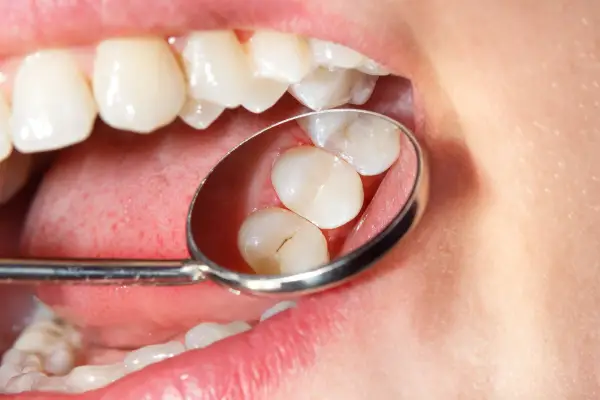

This is one of the questions dentists hear most often, and it is usually not asked casually. There is real anxiety behind it. Real memories of past dental experiences. Real uncertainty about what is about to happen and whether it is going to be uncomfortable.
So let us answer it directly, without the standard reassurances that patients have learned to distrust: a properly administered cavity filling at a modern dental practice should not hurt. Not during the procedure, and not in any significant way afterward. What most patients feel during the filling itself is pressure and vibration, not pain. The distinction matters, and this guide explains it fully.
At Confidental Beverly Hills, Dr. Liyan Massaband approaches every filling with the same attention he brings to complex cosmetic procedures. Pain management is not an afterthought here. It is the foundation of how every appointment is structured, from the way local anesthetic is delivered to the techniques used to minimize procedure time and post-procedure sensitivity.
If you have been putting off a cavity because you are worried about discomfort, this guide is worth reading in full.
Book a Cavity Filling Appointment | Call (310) 858-9212
Why So Many People Are Afraid of Dental Fillings
The fear of dental pain is one of the most well-documented forms of healthcare-related anxiety in adults. Studies consistently show that somewhere between 30 and 40 percent of adults experience meaningful dental anxiety, and that this anxiety causes a significant percentage of them to delay or avoid treatment they know they need.
The roots of this fear are almost always in the past. A painful injection during childhood. A filling that hurt more than expected. A dentist who did not communicate what was happening. These experiences create strong associations, and those associations do not stay in the past when you sit in a dental chair today.
What has changed is the reality of what modern dental treatment actually feels like. Local anesthetic delivery has become significantly more refined. Topical numbing gels that genuinely desensitize the injection site before the needle arrives. Slow-delivery injection techniques that prevent the pressure-pain that fast injection causes. Anesthetic formulations that take effect quickly and completely. And sedation options for patients whose anxiety goes beyond what topical gels and communication alone can address.
The gap between what patients fear fillings will feel like and what modern fillings actually feel like is genuinely large. Closing that gap starts with understanding the process.
Does the Numbing Injection for a Filling Hurt?
For most patients, this is the specific moment of greatest concern. The injection is what dental anxiety is most commonly centered around, and it deserves a direct and specific answer.
A numbing injection delivered with modern technique should feel like a brief sting or mild pressure, lasting approximately two to five seconds, followed by a spreading warmth as the anesthetic takes effect. That is the realistic description from patients at practices where these techniques are consistently applied.
What makes the difference is the approach.
Before any injection, a topical anesthetic gel is applied directly to the gum tissue at the injection site. This gel, left in place for approximately two minutes, desensitizes the mucosal tissue so the initial entry of the needle is significantly less perceptible. Patients frequently report that they barely notice the needle at all when topical anesthetic is properly applied.
The second factor is injection speed. Fast injection of local anesthetic creates tissue pressure that the nervous system registers as pain. Slow, controlled delivery, maintaining steady pressure over a longer injection time, eliminates most of this pressure discomfort. The anesthetic is delivered precisely into the right tissue layer for maximum effect.
The combination of topical desensitization and slow controlled injection is standard practice at Confidental Beverly Hills. For patients with significant needle sensitivity, Dr. Massaband discusses this specifically before beginning and adjusts the approach to your comfort.
What You Actually Feel During a Cavity Filling
Once the local anesthetic has taken full effect, which typically requires three to five minutes, the experience of a dental filling involves sensation without pain. Understanding this distinction helps significantly.
Pressure. When instruments contact the tooth and surrounding tissue, you perceive it as pressure. The tooth is numb to pain signals, but the periodontal ligament that connects it to the bone still transmits mechanical sensation. You will feel something happening. You will not feel it as pain.
Vibration. The dental handpiece used to remove decay creates vibration that travels through the jaw. This is perceptible and can feel unusual if you are not expecting it. It is not painful.
Sound. The high-pitched sound of the drill and the suction creates an auditory experience that many patients find more unpleasant than the physical sensation. Listening to music through earbuds during the procedure is something Dr. Massaband actively encourages for patients who find the sound stressful.
Temperature. Water spray used to cool the tooth during preparation creates occasional cold sensation. Air drying of the tooth can also trigger brief sensitivity before the filling is placed. These sensations are brief and expected.
Nothing after placement. Once the composite resin is placed and cured with the light, the filling procedure is complete. The tooth remains numb for two to four hours as the anesthetic gradually wears off.
What you should not feel at any point during a properly numbed filling procedure is sharp pain. If you do feel something that crosses from pressure into pain, raise your hand immediately. A pause and an additional anesthetic injection addresses it. There is no reason to tolerate discomfort during a dental filling at a practice where your comfort is genuinely prioritized.
Sedation Options for Patients With Dental Anxiety
Local anesthesia manages physical pain. It does not manage the psychological experience of sitting in the dental chair when dental anxiety is significant. For patients whose anxiety goes beyond what communication and topical anesthetic alone can address, sedation options make the experience genuinely manageable.
Nitrous Oxide (Laughing Gas)
Nitrous oxide is the most commonly used sedation option for routine dental procedures including fillings. Administered through a small nose mask, it produces a state of relaxed, mildly euphoric calm within minutes. Patients remain fully conscious, aware of their surroundings, and able to communicate throughout the procedure. They simply feel meaningfully less anxious.
The significant practical advantage of nitrous oxide is how quickly it clears the system after the mask is removed. Most patients are completely back to their baseline within five to ten minutes, making it safe to drive home and return to normal activities immediately after the appointment.
Oral Conscious Sedation
For patients with moderate to significant dental anxiety, oral conscious sedation involves taking a prescribed medication before the appointment that produces deeper relaxation. Patients remain conscious and responsive but are in a profoundly calm, often drowsy state throughout the procedure. Memory of the appointment is frequently limited.
Oral conscious sedation requires a driver to bring you home and a period of rest afterward, but for patients who have historically been unable to complete dental treatment due to anxiety, it transforms the experience entirely.
Which Option Is Right for You
At your consultation at Confidental Beverly Hills, Dr. Massaband discusses your anxiety history, past dental experiences, and current concerns openly. The right sedation choice is based on your specific situation, not a one-size-fits-all approach. No patient at this practice needs to white-knuckle through treatment.
Step by Step: What Happens During a Cavity Filling Appointment
Knowing exactly what to expect removes the anxiety of the unknown. Here is the complete filling appointment from the moment you sit down.
Step 1: Clinical assessment. Dr. Massaband confirms the diagnosis and reviews the x-rays showing the cavity. He explains what will be done and answers any questions before starting.
Step 2: Topical anesthetic application. A flavored topical gel is applied to the gum tissue at the injection site and left for approximately two minutes.
Step 3: Local anesthetic injection. The numbing injection is administered with slow, controlled technique. You feel a brief mild sting, then pressure and spreading warmth.
Step 4: Verification of numbness. Before any instruments contact the tooth, Dr. Massaband confirms that the area is fully numb. You should feel nothing sharp in response to testing.
Step 5: Decay removal. A dental handpiece removes the decayed tooth structure. You feel pressure and vibration. Suction and water spray keep the area clear.
Step 6: Cavity cleaning and preparation. The prepared cavity is cleaned of any remaining bacteria and debris. An etching agent and bonding material are applied to prepare the tooth surface to accept the composite resin.
Step 7: Composite resin placement. Tooth-colored composite resin is placed in the cavity in layers, each shaped carefully to restore the tooth’s natural contour.
Step 8: Light curing. A blue curing light is directed at the filling for approximately 20 seconds per layer, hardening the composite resin fully. You see the light through closed eyelids and feel mild warmth at most.
Step 9: Bite adjustment. Bite paper is placed between your teeth and you bite down, identifying any high spots on the filling that need reshaping. This step ensures the filling does not interfere with your natural bite.
Step 10: Polishing. The filling surface is polished to a smooth, natural luster that blends with the surrounding enamel.
The entire appointment for a typical single-tooth composite filling takes 30 to 60 minutes. Multiple fillings in the same area can sometimes be completed in a single session, reducing the total number of appointments required.
Composite Resin vs. Amalgam Fillings: Understanding the Difference
Patients researching dental fillings often encounter both terms and want to understand what each involves and why the choice matters.
Silver Amalgam Fillings
Amalgam fillings have been used in dentistry for over 150 years. They are made from a combination of metals including mercury, silver, tin, and copper, and they are highly durable, particularly in back teeth that bear heavy biting forces. They are also relatively low in cost.
The downsides are significant enough that amalgam is used far less commonly than it once was. Amalgam fillings are visible as dark gray or silver material that is aesthetically obvious in the smile. They require more healthy tooth structure to be removed to create the mechanical retention shape the material needs. They expand and contract with temperature changes over years, which can eventually cause cracks in the surrounding tooth structure. And the use of mercury in the material, while regulated and considered safe at current exposure levels, remains a concern for some patients and has led to regulatory restrictions in several countries.
At Confidental Beverly Hills, amalgam is not used. Every restoration reflects a commitment to aesthetics and conservative treatment.
Tooth-Colored Composite Resin Fillings
Composite resin is a mixture of glass or quartz particles suspended in a resin matrix. It is shade-matched to the specific color of your natural tooth, making the filling virtually invisible once placed. It bonds directly to the tooth structure through an adhesive process rather than relying on mechanical retention, which means significantly less healthy tooth removal during preparation.
Composite resin is not sensitive to temperature changes in the same way that metal is, reducing the risk of thermally related tooth cracking over time. It hardens immediately under the curing light, meaning no waiting period before using the tooth normally.
The one area where composite resin has historically been considered inferior to amalgam is longevity under heavy biting forces. Modern composite formulations have largely closed this gap, and for moderate-sized cavities in appropriately selected teeth, composite resin provides an excellent long-term result.
Ceramic Inlays and Onlays for Larger Cavities
When a cavity is too large for a conventional direct filling but does not require the full coverage of a dental crown, a ceramic inlay or onlay is the most appropriate restoration. These indirect restorations are fabricated in a dental laboratory from high-strength dental ceramic, then bonded into the prepared tooth with exceptional precision and durability.
An inlay fits within the cusps of the tooth. An onlay covers one or more cusps. Both preserve more natural tooth structure than a crown while providing superior strength and longevity compared to large direct composite fillings.
Dr. Massaband discusses whether a direct filling, inlay, onlay, or crown is the most appropriate recommendation for your specific cavity size and tooth position at your appointment.
Signs That You Might Have a Cavity Right Now
Cavities in their earliest stages produce no symptoms at all. This is why regular professional checkups are the only reliable way to catch decay before it grows into a problem that requires more than a simple filling. However, as decay progresses, certain symptoms can serve as prompts to schedule an evaluation sooner rather than later.
Sensitivity to cold or sweet. Brief, sharp sensitivity triggered by cold drinks, ice cream, or sweet foods that passes quickly after the stimulus is removed often indicates enamel erosion or early dentin involvement from a developing cavity. This sensation is different from the lingering cold sensitivity of a cracked tooth or a more serious dental problem.
A visible dark spot or hole on the tooth. Sometimes patients notice a dark area, a rough spot when their tongue runs over the tooth, or a visible pit that was not there before. These visual changes warrant professional evaluation.
Food consistently getting caught in one spot. When food particles repeatedly catch in the same location between teeth or on a tooth surface, this often reflects a change in tooth anatomy consistent with developing decay.
Pain when biting. Sharp pain specifically when biting down suggests decay has reached deeper into the tooth structure, potentially approaching the dentin or the pulp.
A previously filled tooth feels different. If an existing filling feels loose, rough, or different when your tongue passes over it, this can indicate filling failure, the development of decay at the filling margin, or a crack in the remaining tooth structure.
If you recognize any of these signs, contact Confidental Beverly Hills promptly. Catching a cavity at the earliest stage where a simple filling can address it is always preferable to waiting.
What Happens If You Do Not Get a Cavity Filled?
Dental decay is an active bacterial infection, not a static structural defect. If a cavity is left untreated, the bacteria causing it continue their work. The sequence of progression, if left uninterrupted, follows a predictable and increasingly costly path.
Stage 1: Enamel decay. The outer protective enamel layer is affected. At this stage, a small filling is all that is needed. There is typically no pain.
Stage 2: Dentin decay. Decay penetrates through the enamel into the softer dentin layer beneath. Sensitivity to temperature and sweetness typically begins at this stage. A filling is still the appropriate treatment, though the cavity is now larger.
Stage 3: Pulp involvement. Bacteria reach the pulp chamber containing the tooth’s nerve and blood supply. This is when spontaneous toothache, throbbing pain, and significant temperature sensitivity develop. At this stage, root canal treatment is required before the tooth can be restored. For an in-depth understanding of what happens when infection reaches the root, read our guide on why a dental abscess can persist after a root canal.
Stage 4: Abscess formation. Untreated pulp infection spreads through the root tip into the surrounding bone, forming a periapical abscess. Root canal treatment or extraction becomes necessary.
Stage 5: Tooth loss. When a tooth is too damaged or infected to save, extraction is the outcome. Tooth replacement then requires consideration of a dental implant, a dental bridge, or other restorative options.
A cavity that requires a 45-minute filling appointment today will require a root canal followed by a dental crown if treatment is delayed six months to a year. The cost, the time, and the discomfort involved multiply with each stage of progression.
After Your Filling: Sensitivity, Recovery, and What Is Normal
Understanding the post-procedure experience prevents unnecessary worry and helps patients recognize the rare situations that actually warrant a follow-up call.
How Long Does Numbness Last After a Filling?
Local anesthetic typically remains active for two to four hours after a filling appointment, sometimes longer in patients who metabolize anesthetic slowly. During this time, the lip, cheek, and tongue on the treated side feel thick and unresponsive. This is normal and will fully resolve.
Avoid eating until the numbness has worn off completely. The inability to feel normal chewing sensation and bite forces makes accidental cheek biting and uneven bite contact more likely while numb.
Is Sensitivity After a Filling Normal?
Yes. Some degree of post-filling sensitivity is normal and expected, particularly for composite resin fillings. The tooth’s pulp has been in proximity to the preparation process and the curing light, and it responds with a brief inflammatory period. During this time, the tooth may be more sensitive to cold, air, and pressure than it was before the filling.
This sensitivity typically peaks in the first two to three days and then gradually decreases over the following one to two weeks. Over-the-counter anti-inflammatory medication helps manage it during this period. Using toothpaste formulated for sensitive teeth can also provide meaningful relief.
Why Does My Tooth Hurt When I Bite After a Filling?
Pain specifically when biting down after a filling is almost always due to the filling being slightly high, meaning it contacts the opposing tooth before the rest of the bite does. This places concentrated pressure on the filled tooth with every bite, causing pain and soreness.
This is easily corrected with a brief bite adjustment appointment. Dr. Massaband checks the bite at the end of every filling appointment, but bite perception is altered while you are still numb, and a bite that feels correct in the chair can feel different once normal sensation returns. If your bite feels off in the days after a filling, call Confidental Beverly Hills for a quick adjustment. It takes only a few minutes and resolves the discomfort immediately.
When Should Sensitivity After a Filling Concern You?
Contact your dentist if sensitivity is increasing rather than decreasing after two weeks, if you develop spontaneous throbbing pain in the filled tooth without any trigger, or if sensitivity to cold lingers for 30 seconds or more after the cold stimulus is removed. These patterns can indicate that the tooth’s pulp is struggling to recover from the proximity of the decay or the preparation, and further evaluation is appropriate.
How Long Do Composite Fillings Last?
With proper care, a well-placed composite filling lasts between seven and twelve years on average, and many last considerably longer. The factors that most influence filling longevity include the size of the filling, the location of the tooth and the biting forces it bears, oral hygiene quality, and whether the patient grinds their teeth.
Teeth grinding, or bruxism, places the highest forces on tooth restorations of any lifestyle factor and significantly shortens filling lifespan. Patients with bruxism benefit from a custom night guard to protect their fillings and natural tooth structure from grinding forces. This is discussed at your appointment if relevant to your case.
Dr. Massaband checks existing fillings at every routine visit for signs of wear, marginal breakdown, or developing issues. Catching a filling that is beginning to fail early allows replacement before underlying decay re-establishes itself, protecting the tooth from requiring more extensive treatment.
Preventing Cavities: What Actually Works
The best cavity is the one that never forms. While no patient is entirely immune to decay, certain habits have strong evidence behind them.
Consistent twice-daily brushing with fluoride toothpaste. Fluoride strengthens enamel and has a direct inhibitory effect on the acid production of cavity-causing bacteria. Using a toothpaste with appropriate fluoride concentration and brushing for a full two minutes twice daily addresses the bacterial biofilm that is the direct cause of all cavities.
Daily flossing. Interproximal cavities, which form between teeth where brushes cannot reach, are the second most common cavity location after the biting surfaces. Daily flossing is the only home care method that effectively cleans these surfaces. A water flosser is a useful supplement, particularly for patients who struggle with traditional floss technique.
Reducing sugar and acid frequency rather than eliminating them. The frequency of sugar and acid exposure matters more than the total amount consumed. Every time sugary or acidic food or drink contacts teeth, the mouth’s pH drops and enamel is temporarily softened. When this happens multiple times throughout the day (frequent snacking, constant sipping of acidic drinks), the enamel never has adequate time between exposures to re-harden. Consolidating sugar consumption to mealtimes and rinsing with water afterward significantly reduces cumulative acid exposure.
Staying hydrated. Saliva is the mouth’s natural defense system. It neutralizes acids, delivers minerals to enamel, and physically washes away food particles and bacteria. Adequate hydration supports adequate saliva production. Chronic dry mouth, whether from dehydration, medications, or health conditions, dramatically increases cavity risk.
Dental sealants for high-risk patients. The deep grooves on the biting surfaces of back teeth are the most cavity-prone surfaces in the mouth. Dental sealants, a thin protective coating bonded into these grooves, effectively prevent decay in this specific location and are particularly valuable for children and adults with deep groove anatomy.
Regular professional cleanings and checkups. No home care regimen removes all bacterial deposits. Tartar (calcified plaque) that accumulates in difficult-to-brush areas requires professional instruments to remove. Regular cleanings maintain the bacterial environment at a level where cavity formation is unlikely, and routine exams identify developing decay at the earliest treatable stage.
How Much Does a Cavity Filling Cost in Beverly Hills?
Filling costs in Beverly Hills reflect the materials, technique, and expertise involved. Here is a realistic range:
| Filling Type | Typical Cost Range in Beverly Hills |
|---|---|
| Small composite resin filling (one surface) | $200 to $400 |
| Medium composite filling (two surfaces) | $300 to $550 |
| Larger composite filling (three or more surfaces) | $400 to $700 |
| Ceramic inlay (laboratory fabricated) | $800 to $1,500 |
| Ceramic onlay (laboratory fabricated) | $1,000 to $2,000 |
Dental insurance typically covers a portion of composite filling costs as a basic restorative benefit, with the exact coverage percentage and annual maximum varying by plan. Our team at Confidental Beverly Hills verifies your insurance benefits before treatment and provides a clear cost breakdown including your estimated out-of-pocket amount.
Why Patients in Beverly Hills Choose Dr. Liyan Massaband for Cavity Fillings
Choosing where to have a cavity filled is not a trivial decision. The quality of the material, the precision of the placement, and the attention to the bite all affect how long the filling lasts and how the tooth feels for years afterward.
Dr. Massaband brings the same standard of care to a routine filling that he brings to more complex cosmetic and restorative procedures. The composite resin is shade-matched meticulously. The cavity preparation is as conservative as the decay permits. The bite is verified carefully. The finish is polished to a smooth, natural texture.
High-resolution digital diagnostics identify decay at its earliest stage, before it becomes visible on standard x-rays, allowing treatment at the most conservative and least costly intervention level. Every patient receives a clear explanation of the findings, the recommended treatment, and the alternatives before any work begins.
With a 4.8-star rating across more than 345 patient reviews, the consistent experience of patients at Confidental Beverly Hills reflects a practice where comfort, clinical quality, and transparent communication are genuinely delivered.
Schedule Your Cavity Filling Appointment
Frequently Asked Questions About Cavity Fillings
Does getting a cavity filled hurt?
No. With properly administered local anesthesia, a cavity filling should not be painful. You will feel pressure and vibration during the procedure, but not pain. The anesthetic injection itself is minimized through topical numbing gel applied beforehand and a slow, controlled injection technique. If at any point during the procedure you feel something that exceeds pressure and vibration, raise your hand and a pause can be taken to supplement the anesthesia.
How long does a cavity filling appointment take?
A single-tooth composite filling appointment typically takes 30 to 60 minutes from the time you sit down. Multiple fillings in the same area or quadrant can sometimes be completed in one session, which reduces the total number of anesthetic injections and appointments required. Dr. Massaband will let you know during your consultation whether combining fillings in a single appointment is practical for your case.
What does a cavity filling feel like?
During the procedure, you feel pressure as instruments work on the tooth, vibration from the dental handpiece, and occasional brief cold sensation from water spray. The filling material placement involves minimal sensation. Afterward, the tooth and surrounding area remain numb for two to four hours. Some sensitivity to cold and pressure is normal for the first one to two weeks as the tooth settles.
Can I eat after getting a filling?
With composite resin fillings, which are hardened by the curing light during the appointment, there is no material-based reason to wait before eating. However, it is sensible to wait until the local anesthesia has fully worn off before eating anything, to avoid accidentally biting your cheek or lip without feeling it. Once sensation returns, you can eat normally though avoiding very hard, crunchy, or sticky foods on the newly filled tooth for 24 hours is a reasonable precaution.
Why is my tooth sensitive to cold after a filling?
Sensitivity to cold after a composite filling is a normal physiological response. The tooth’s pulp has experienced some stimulation from the preparation process and the curing light, and it responds with temporary heightened sensitivity. This should follow a downward trend over one to two weeks. Using a sensitive toothpaste during this period helps significantly. If cold sensitivity is still significant after two weeks or if it is worsening rather than improving, contact Confidental Beverly Hills for an evaluation.
How long do composite (white) fillings last?
A well-placed composite filling in an appropriately sized cavity lasts on average seven to twelve years, with many lasting longer. Filling lifespan depends on the size of the filling, the bite forces on that tooth, oral hygiene quality, and whether bruxism is present. Teeth grinding significantly shortens filling lifespan, which is why a custom night guard is recommended for patients with bruxism. Dr. Massaband assesses existing fillings at every checkup to identify those approaching the end of their serviceable life before new decay develops.
What happens if I wait too long to get a cavity filled?
Dental decay does not stay static. Without treatment, it progresses from enamel into dentin, then toward the pulp containing the nerve. A cavity that needs only a filling today will need a root canal and crown if left for months to years. Further progression leads to tooth loss and the need for replacement with a dental implant or other restoration. The financial and clinical cost of waiting consistently exceeds the cost of treating a cavity when it is first identified.
Are white fillings as strong as silver amalgam fillings?
Modern composite resin formulations have closed much of the durability gap that historically favored amalgam for back teeth. For small to medium-sized cavities, composite resin provides comparable long-term performance to amalgam while offering significantly better aesthetics, requiring less healthy tooth removal, and avoiding the concerns associated with mercury-containing materials. For very large cavity preparations in high-stress positions, a ceramic inlay, onlay, or dental crown may be a more durable recommendation than a large direct composite filling.
How do I know if my old filling needs to be replaced?
Signs that a filling may need replacement include visible cracks or chips in the filling surface, a rough or uneven texture when your tongue passes over it, sensitivity that develops in a tooth that has had a filling for years, a tooth that consistently catches food in the same spot, or pain when biting. At your regular checkup appointments, Dr. Massaband assesses all existing restorations clinically and with x-rays to identify those showing early signs of failure before they become larger problems.