

Losing a tooth or facing severe decay can be daunting, but modern dentistry offers reliable paths to restoration and relief. The debate between root canal therapy and dental implants often arises when a tooth is irreparably damaged—each procedure aims to preserve function and aesthetics, yet they differ in approach, longevity, and recovery. This comprehensive comparison will guide you through the essentials, helping you weigh options based on your needs, budget, and lifestyle. Whether you’re a Beverly Hills local prioritizing discretion or someone seeking long-term durability, understanding these treatments empowers confident decisions for your oral health.
Root Canal in Beverly Hills
In the sophisticated setting of Beverly Hills, root canal procedures have become synonymous with precision and comfort, transforming what was once a dreaded visit into a streamlined experience. Root canal in Beverly Hills represents the pinnacle of endodontic care, where advanced techniques minimize discomfort and maximize tooth preservation. At Confidental Beverly Hills, we emphasize patient-centered approaches that align with the area’s emphasis on elegance and efficiency, ensuring you return to your routine with a natural, restored smile.
Implant in Beverly Hills
Dental implants in Beverly Hills embody innovation and luxury, offering a permanent solution that mimics the look and feel of natural teeth. This procedure integrates titanium posts into the jawbone, supporting custom crowns for seamless functionality. Local experts leverage cutting-edge technology, from 3D imaging to guided surgery, to achieve exceptional outcomes with subtle scarring and rapid integration. For residents who value enduring results amid a fast-paced lifestyle, implants provide a foundation for confidence that withstands time and trends.
The Fundamentals of Root Canal Therapy
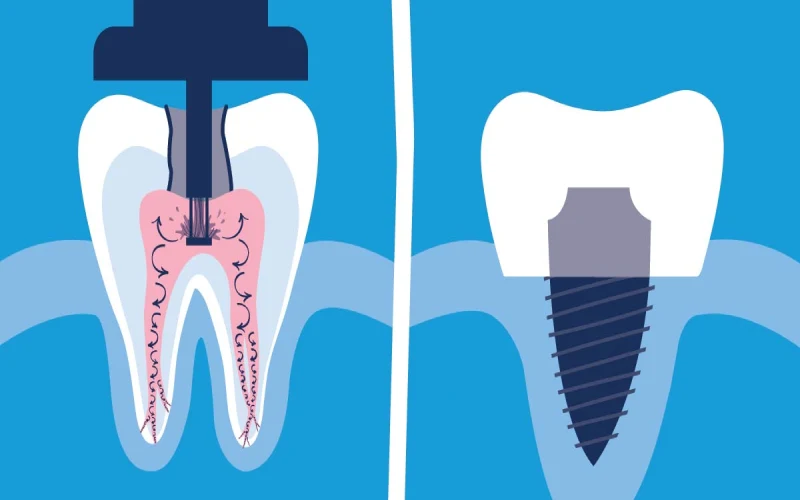
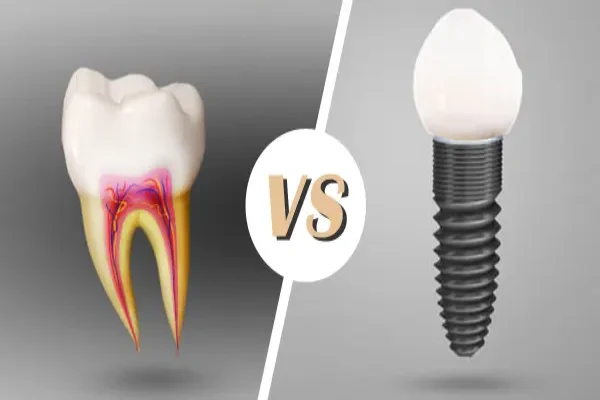
A root canal, or endodontic treatment, focuses on salvaging a compromised tooth by removing infected pulp, cleaning the inner canals, and sealing them to prevent further issues. It’s typically recommended for deep cavities, cracks, or abscesses that threaten the tooth’s vitality. The process unfolds in one to two visits: anesthesia numbs the area, followed by precise drilling to access the pulp chamber. Specialized tools flush out debris, and medicated filling material is placed, topped with a protective crown for reinforcement.
This method shines in its conservatism—preserving the original tooth structure avoids the need for replacements, maintaining natural bite alignment and facial contours. Success rates hover around 95%, per data from the American Association of Endodontists, making it a go-to for early interventions. Patients appreciate the familiarity; post-treatment, sensitivity fades quickly, allowing a swift return to favorites like sipping lattes on Rodeo Drive without worry.
Diving into Dental Implants: A Deeper Look
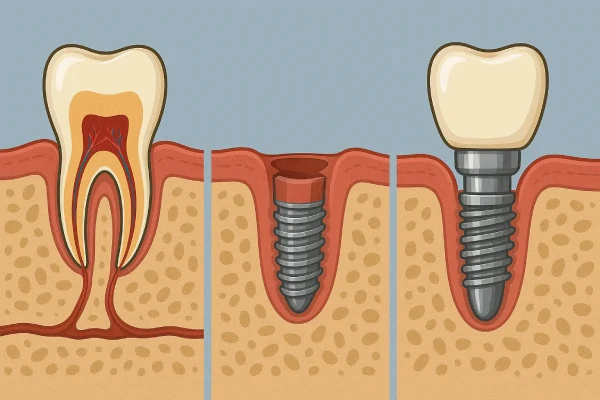
Contrastingly, dental implants replace the entire tooth unit when extraction is inevitable. The journey begins with surgical placement of a biocompatible post into the jawbone, which fuses over 3-6 months in a process called osseointegration. An abutment connects the post to a porcelain crown, crafted to match surrounding teeth in shade and shape. Advanced options like immediate-load implants can shorten timelines for select cases, delivering provisional crowns on the same day.
Implants excel in durability, boasting 98% success over 10 years according to the International Congress of Oral Implantologists. They stimulate bone growth, preventing resorption that leads to sunken cheeks, and demand no alteration to adjacent teeth. Ideal for those with robust health and sufficient bone density, this solution restores full chewing power, enhancing nutrition and speech clarity.
Key Differences: Pros and Cons Side by Side
Navigating root canals versus implants involves balancing immediacy with investment. Root canals offer quicker resolution and lower upfront costs, but may require retreatment if reinfection occurs. Implants, while more involved initially, provide superior longevity and prevent shifting dentition. To clarify further, consider these highlighted aspects in a single comparative list:
- Cost efficiency: Root canals average $700-$1,200 per tooth; implants range $3,000-$5,000, including surgery.
- Time commitment: Root canal completes in days; implants span months for healing.
- Preservation: Root canal saves natural teeth; implants replace lost ones holistically.
- Maintenance: Both need routine care, but implants resist decay like real teeth.
- Aesthetic impact: Root canals maintain originals; implants blend indistinguishably.
These factors underscore that neither is universally superior—personal health history, tooth location, and future plans tip the scales.
Cost Considerations and Insurance Insights
Financial aspects often sway choices, with root canals emerging as more accessible for budget-conscious individuals. Many insurance plans cover 50-80% of endodontic work, viewing it as preventive against extractions. Implants, classified as prosthetics, receive variable coverage—some policies cap at 50%, while others exclude entirely, prompting financing options like CareCredit for Beverly Hills practices.
Long-term economics favor implants: avoiding bridges or multiples saves thousands over decades. Tax-deductible as medical expenses, they appeal to high-earners. Consulting a specialist early uncovers rebates or bundled services, optimizing value without compromising quality.
Recovery Timelines and What to Expect
Post-procedure recovery varies, but both treatments prioritize minimal disruption. After a root canal, mild soreness lingers 1-2 days, managed with over-the-counter pain relievers and soft foods. Avoid extremes in temperature to safeguard the sealed tooth. Implants involve initial swelling and bruising, peaking at 48 hours, with a liquid diet recommended. Osseointegration demands patience—smoking cessation and bone-healthy nutrition accelerate fusion.
In elite locales like Beverly Hills, concierge recovery includes follow-up protocols with anti-inflammatory aids and aesthetic touch-ups. Dr. Liyan Massaband at Confident Beverly Hills crafts individualized plans, incorporating wellness integrations like acupuncture referrals for holistic healing.
Long-Term Success and Maintenance Tips
Sustainability defines excellence in restorative dentistry. Root canal-treated teeth thrive with fluoride applications and night guards against grinding, enduring 10-15 years or more. Implants demand impeccable hygiene—water flossers and antimicrobial rinses curb peri-implantitis, a preventable inflammation akin to gum disease.
Annual check-ups catch nuances early, extending lifespan. Lifestyle synergies, such as balanced diets rich in calcium and vitamin D, fortify both options. Embracing these habits ensures your investment yields decades of reliable performance, from professional photoshoots to family gatherings.
When to Consult a Specialist: Signs It’s Time
Indecision signals the need for expertise. Persistent throbbing pain, swelling, or pus around a tooth warrants prompt evaluation—delaying risks abscess spread or bone loss. Darkened teeth or sensitivity to hot/cold also flag pulp distress. For implant candidacy, receding gums or loose dentures prompt assessment.
Beverly Hills’ proximity to world-class care means diagnostics like CBCT scans reveal hidden fractures swiftly. A thorough exam, including vitality tests and models, informs tailored recommendations, blending art and science for optimal paths.
Choosing the Best Path Forward in Beverly Hills
Ultimately, root canal versus implant hinges on your unique dental narrative—preservation for viable teeth, replacement for the irretrievable. Both elevate quality of life, combating issues like speech impediments or nutritional gaps. In a city celebrated for reinvention, selecting a provider attuned to subtlety and excellence is paramount.