

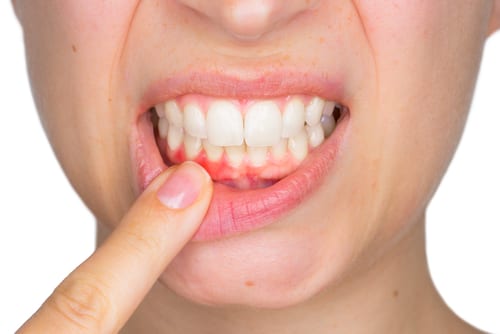
Tooth decay at the gum line, often referred to as root caries, develops when the protective enamel gives way to exposed dentin, making the area prone to bacterial attack and swift erosion. This condition commonly arises from gum recession caused by factors like periodontal issues or improper brushing techniques. Prompt treatment is crucial to stop the spread and maintain tooth stability. At Confident Beverly Hills, Dr. Liyan Massaband provides expert evaluations and customized plans to address this concern effectively, helping patients regain comfort and protect their oral foundation.
Understanding Tooth Decay at the Gum Line
This type of decay strikes the junction between the tooth’s crown and root, where enamel thins out and dentin lies bare. Contributing elements include advancing age, gum disease, or habits that wear down gum tissue over time. The lack of enamel allows acids to penetrate faster, leading to heightened sensitivity and risk of deeper infections. Distinguishing it from standard enamel decay is key, as it requires specific approaches to avoid complications like abscesses or structural weakening.
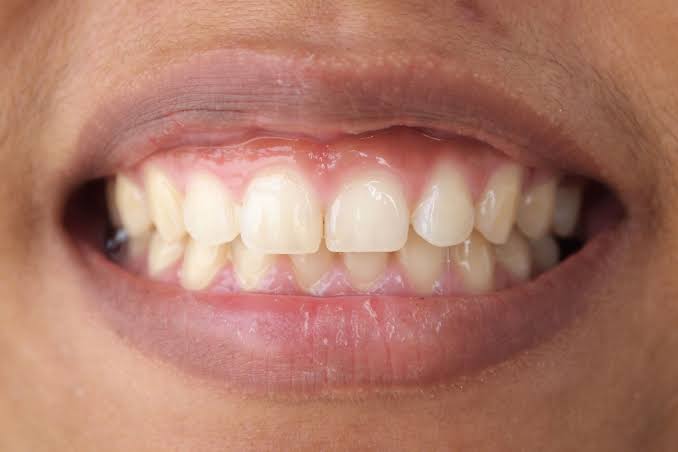
Key Signs That Signal Gum Line Decay
Early recognition of symptoms enables swift action, minimizing damage and discomfort. Watch for these indicators that often point to trouble in this vulnerable spot:
- Sudden sensitivity to temperature changes, sweets, or touch near the gums.
- Darkened lines or pits forming along the tooth’s base.
- A gritty or uneven feel when running your tongue over the area.
- Persistent bad breath or a metallic taste, signaling bacterial overgrowth.
- Mild swelling or tenderness in the surrounding gum tissue.
Addressing these promptly through professional insight prevents escalation to more severe pain or tooth loss.
Preventive Measures to Protect Your Gum Line
Building resilience against gum line decay relies on straightforward, consistent routines that target exposure and plaque. Use desensitizing toothpaste daily to shield roots, and switch to an electric toothbrush for controlled pressure that spares gums. Rinse with fluoride solutions after meals to remineralize surfaces, and maintain a diet rich in calcium while curbing erosive drinks. Bi-annual deep cleanings remove hidden tartar, fortifying your defenses long-term.
Step-by-Step Treatment Approaches
Treating gum line decay follows a structured path, scaled to the extent of involvement for efficient recovery.
Begin with a detailed exam using digital imaging to map the decay’s reach and plan precisely.
Remove decayed portions gently, often with air abrasion for less vibration than drills.
Apply restorative materials like glass ionomer cements, which bond well to roots and release protective fluoride.
If significant recession exists, incorporate gum grafting to re-cover the area and halt further exposure.
Conclude with desensitizing agents and sealants to lock in protection, followed by tailored home care advice.
This methodical process ensures durability and aesthetics, tailored to each patient’s profile.
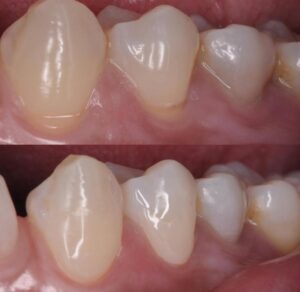
Advanced Solutions for Persistent Issues
For cases resistant to basic interventions, specialized methods bring targeted relief and regeneration. Air polishing eradicates stains and bacteria without harsh scraping, while bioactive materials encourage natural repair. In scenarios linked to chronic gum disease, laser-assisted debridement clears infection deeply with minimal bleeding. These innovations reduce treatment sessions and enhance outcomes, available through forward-thinking practices committed to patient ease.
Why Professional Guidance Matters
Attempting home remedies for gum line decay often falls short, inviting progression and added expenses down the line. Experts deliver accurate diagnostics and holistic strategies that consider overall health, from bite alignment to medication interactions. In a place like Beverly Hills, where smiles shape impressions, partnering with a dedicated specialist secures not just fixes but sustained wellness. Opt for comprehensive care that anticipates needs and delivers peace of mind.